
.svg)
The Phased Relocation: How Full-Service Packing Reduces Downtime for New Jersey Estates

Moving from a large home in Short Hills, Alpine, Rumson, Princeton, or Franklin Lakes involves much more than hiring a crew and reserving a truck.
There may be several bedrooms, a home office, custom furniture, extensive wardrobes, a fully equipped kitchen, and years of belongings spread across multiple floors. Some properties also include finished basements, garages, guest quarters, pool houses, or detached structures.
The challenge is not simply moving everything safely. It is completing the transition without allowing the move to take over your work, your family schedule, and your home for weeks.
For executives, medical professionals, business owners, and busy families, time is often the most valuable part of a relocation. Spending evenings wrapping dishes, sorting closets, and searching for everyday items after arrival creates disruption that many homeowners would rather avoid.
This is where complete packing and unpacking services make a meaningful difference.When homeowners search for white glove packing services in NJ, they are usually looking for more than careful handling. They want an organized process that keeps the household functional for as long as possible, reduces the pressure leading up to moving day, and helps the new home feel settled sooner.
The most practical way to accomplish that is to move in phases instead of attempting to pack the entire property at once.
Groove Moving can review your home, timeline, and packing needs before moving day so you know exactly what the process will involve and what should be handled first.
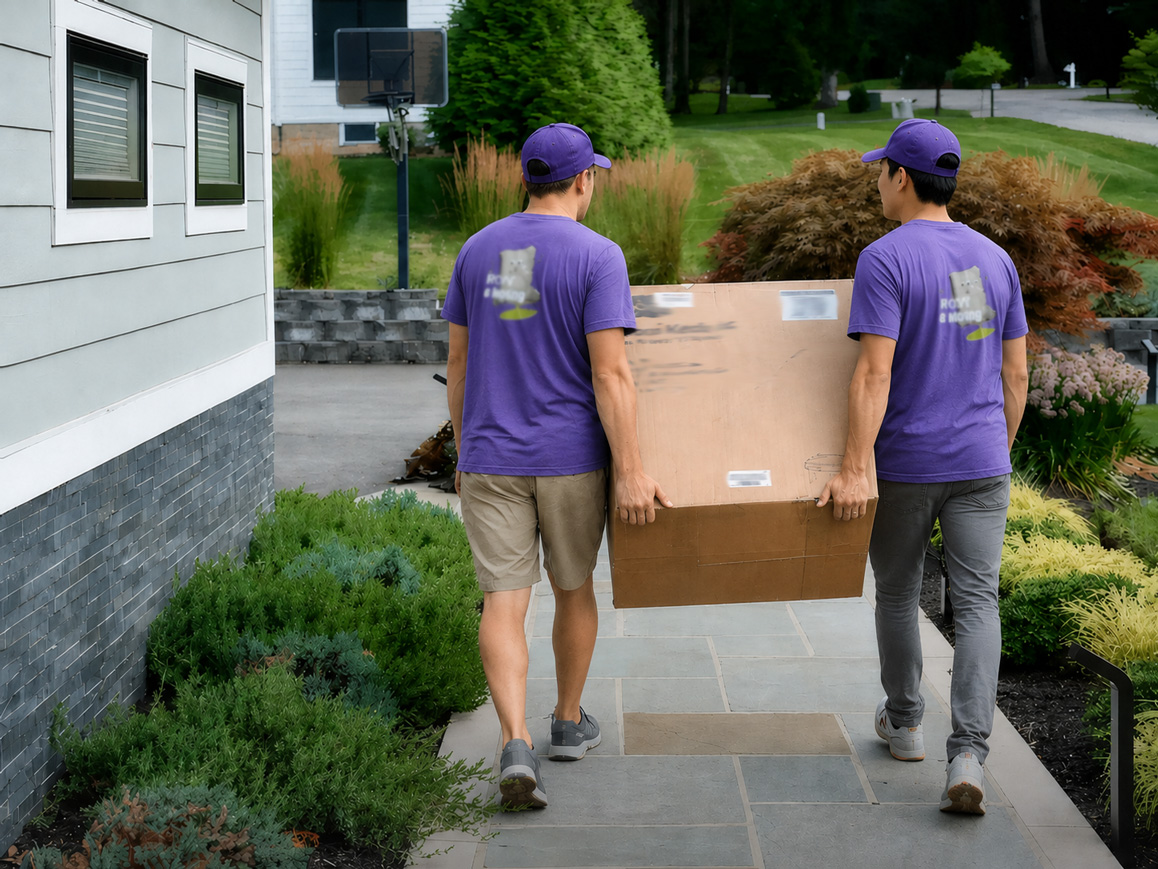
Why a Large Move Should Happen in Stages
A traditional packing approach often turns the home into a staging area long before the moving truck arrives.
Boxes appear in every room. Closets are half empty. Kitchen items become difficult to find. Work documents get packed too early. Family members begin living out of bags while the move is still several days away.
A phased relocation avoids much of that disruption.
Instead of packing every room at the same time, the home is divided into practical zones based on how often each area is used.
Phase One: Low-Use Areas
The first phase usually covers rooms and belongings that are not needed every day.
Packing these areas first creates visible progress without interfering with the household’s normal routine:
✅ Guest bedrooms
✅ Formal dining rooms
✅ Libraries
✅ Seasonal clothing
✅ Decorative items
✅ Basements, garages, or detached structures
Phase Two: Main Living Areas
The next phase focuses on rooms used regularly, but not necessarily needed during the final hours before departure:
✅ Living rooms
✅ Secondary bedrooms
✅ Children’s play areas
✅ Less frequently used kitchen items
A Note About Home Offices
The timing of this phase matters, especially when someone works from home.
Computer equipment, business records, chargers, and everyday office supplies should not disappear into boxes before they need to. A practical packing plan keeps the workspace operational until the agreed packing time.
Phase Three: Daily Essentials
The final phase covers the parts of the home that must remain functional until moving day.
These should be packed last and clearly marked for priority unpacking:
✅ The primary bedroom and main bathrooms
✅ Everyday clothing and medications
✅ Frequently used kitchen items
✅ Personal electronics and chargersImportant documents
The goal is simple: You should not spend your final night in the old home searching through boxes for toiletries, clean clothing, or the coffee maker.
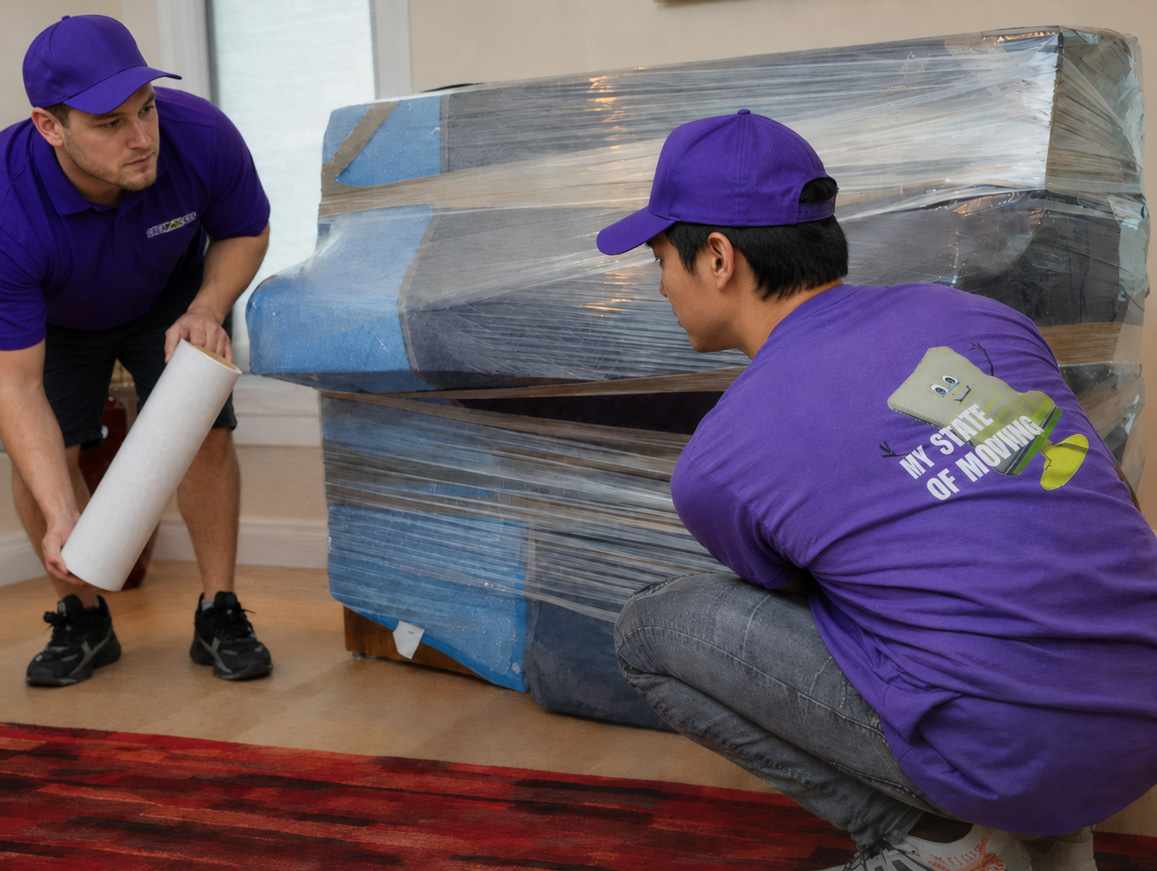
Large residential moves across New Jersey can present very different conditions depending on the town, property, and architecture.
A historic home in Short Hills (07078) or Essex Fells (07021) may have narrow staircases, delicate plaster walls, original millwork, or entryways that were not designed for oversized modern furniture.
A property in Alpine (07620) or Franklin Lakes (07417) may have a long private driveway, gated access, mature landscaping, and limited turning space for a full-size moving truck.
A waterfront residence in Rumson (07760) may include a guest house, carriage house, pool area, or multiple structures spread across the property.
Homes in Princeton (08540) range from historic residences near the center of town to larger properties with long access paths and older interiors.
These details affect staffing, vehicle access, equipment, packing order, and the amount of time required.A mover should understand the property before moving day, not discover each challenge while the crew and truck are already on-site.
A detailed pre-move walkthrough should cover:
✔️ Driveway width, turning space, and gate dimensions
✔️ Low branches and overhead structures
✔️ Staircase width and elevator access
✔️ Long carries between the home and truck
✔️ Furniture that may require disassembly
✔️ Parking restrictions at both addresses
For condominiums and luxury high-rises, the property manager may require a Certificate of Insurance before allowing the crew into the building.
Missing one requirement can delay the entire move and affect the rest of the day’s schedule.
Packing a large home is difficult because of the volume, variety, and need to keep everything organized.
Without a clear system, even carefully packed belongings can become difficult to locate. Professional packing should make unpacking easier, not simply protect belongings inside the moving truck.
Boxes should be labeled by destination room and useful category.
For example, a box marked only “Kitchen” does not tell you whether it contains everyday glasses, formal dinnerware, pantry items, or an appliance you need immediately.
More useful labels include:
✔️ Kitchen: Everyday Glassware
✔️ Kitchen: Baking Equipment
✔️ Kitchen: Formal Dinnerware
Detailed labeling allows boxes to be placed in the correct area when they arrive, reducing unnecessary handling throughout the new home.
Clothing that is already hanging can usually be transferred directly into wardrobe boxes.
This saves time, reduces wrinkling, and ensures clothing can be returned directly to the appropriate closet without formalwear, business clothing, and everyday items becoming mixed together.
A successful relocation protects more than furniture. It also protects the finishes in both properties.
Before hiring a moving company, ask how the crew plans to protect:
✅ Hardwood and stone flooring
✅ Staircases, railings, and door frames
✅ Wall corners and newly painted surfaces
✅ Elevators and high-traffic paths
Packing is only half of a full-service relocation.
Complete unpacking goes further by removing items from boxes and helping restore order to the home based on daily need.
Start With the Primary Bedroom
The bed can be reassembled, linens located, and clothing returned to the closet.
Having one finished and comfortable room makes the first evening considerably easier.
Make the Bathrooms Usable
Towels, toiletries, and everyday essentials should be unpacked early so no one has to search for soap or medication after a long day.
Restore the Kitchen
Everyday plates, basic cookware, coffee equipment, and children’s meal items should be set up first.
Specialty equipment can follow later.
Rebuild the Home Office
The desk, monitors, internet equipment, and necessary files should be identified before packing so the workspace can be restored quickly, preventing unnecessary lost productivity.
The phrase “full service” does not mean exactly the same thing at every moving company.
Before signing an agreement, ask for a clear explanation of what is included:
✅ Will the crew pack the entire home or only selected rooms?
✅ Are packing materials included in the estimate?
✅ Is unpacking included, or is it priced separately?
✅ Does unpacking include placing items into cabinets and closets?
✅ Will the crew reassemble furniture it disassembled?
✅ What happens to empty boxes and packing materials?
✅ Can the company provide a Certificate of Insurance when required?
“We take care of everything” may sound reassuring, but a written estimate should clearly state what is included, what may cost extra, and what the homeowner is expected to handle.
The value of full-service packing is not simply that someone else places your belongings into boxes. It is that the move becomes easier to manage.
Your home remains functional longer. Daily essentials are packed in the correct order. Unpacking begins with the spaces your family needs most.
Instead of spending weeks surrounded by half-open cartons, you can return to your normal routine sooner.
For busy professionals and families relocating within New Jersey, that reduction in downtime is just as important as the physical transportation of the household.

Groove Moving provides complete packing and unpacking services for homeowners who want a more organized and less disruptive relocation.
Whether you are leaving a historic home in Short Hills (07078), relocating to an estate in Alpine (07620), or beginning a new chapter in Princeton (08540), the process should begin with a clear understanding of the property and household priorities.
Request Your Custom Moving Quote
Contact Groove Moving today to discuss your property, timeline, and packing needs.
👉 Get your free quote today

Groove moving is licensed by the New Jersey Office of the Attorney General Division of Consumer Affairs (DCA) License # 39PM00503300

%20copy.svg)


Sun: Closed


